VERDE joins new European partnership to make mountain sports greener
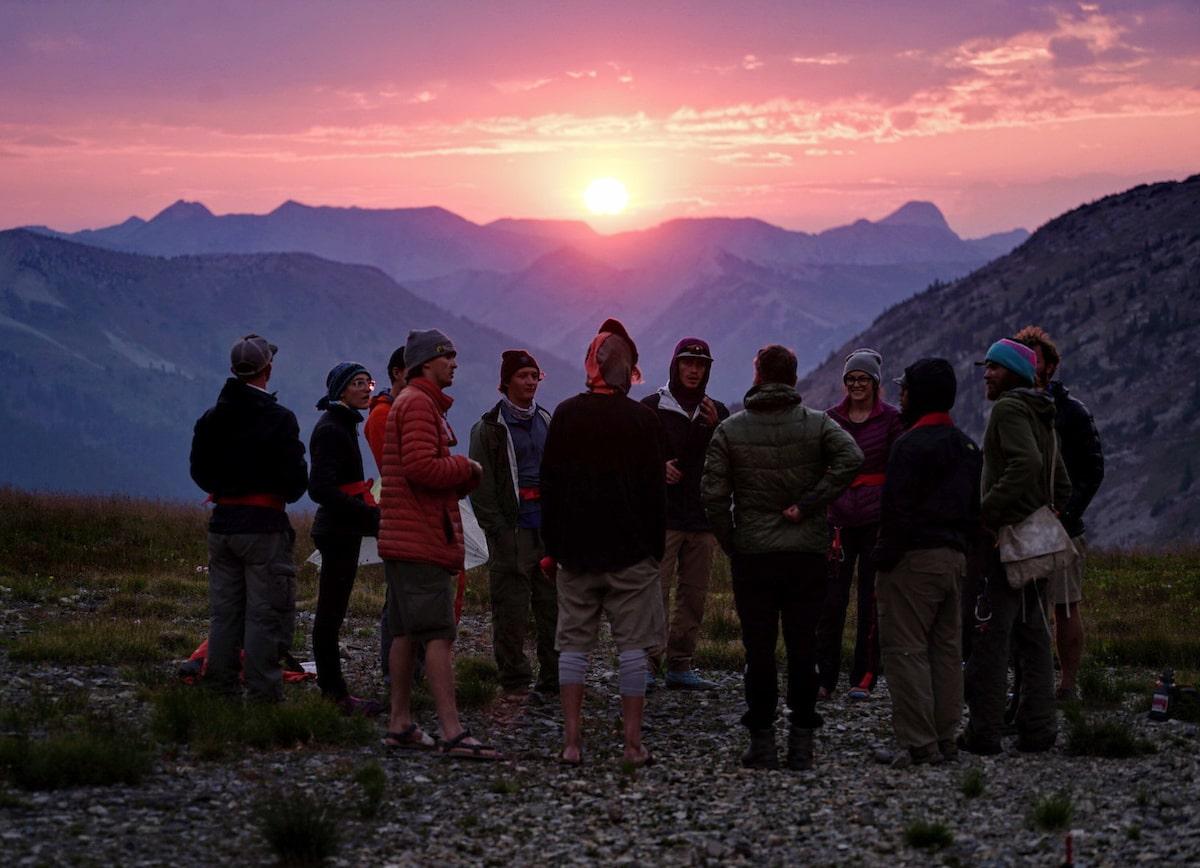
"Green Slopes" launches with EU backing to train the next generation of ski mountaineering and hiking guides in environmental stewardship.
VERDE Center for Research, Innovation and Sustainable Development has begun work on Green Slopes, a two-year European partnership that sets out to change how ski mountaineering and hiking are taught - by making environmental protection a core competence of the guides who lead people into the mountains, rather than an afterthought.
The project runs from 30 November 2024 to 29 November 2026 and is co-funded by the European Union through the Erasmus+ Sport programme, under the call for Small-scale Collaborative Partnerships.
The problem Green Slopes addresses
Participation in ski mountaineering and hiking has risen sharply across Europe - a trend accelerated by ski mountaineering's inclusion in the 2026 Winter Olympics. That growth is reaching some of the most fragile ecosystems on the continent. Mountain soils are thin, nutrient-poor and slow to recover; repeated foot and ski traffic compacts them, cutting their capacity to absorb water and accelerating erosion. Research from Tatra National Park in Poland has recorded five times more soil loss on heavily used routes than in untouched areas, with some trails eroding at a rate of 30 cm.
The partners' shared diagnosis is that the root cause is not malice but absence of knowledge. Newcomers to mountain sports frequently arrive without any grounding in why the terrain they are crossing is vulnerable, or in what specifically they should do differently. Guides and instructors - the people newcomers actually listen to - are rarely trained to teach it.
What the project will do
Green Slopes will build a shared European training framework and then test it in the field. The work is organised in four strands:
- Research and educational materials - a review of current practice and evidence, an analysis of the training needs of guides across the three participating countries, and a full framework curriculum covering mountain ecology, low-impact technique, safety and risk management, environmental education, and the policy landscape.
- Nature Clinics - six hands-on outdoor workshops, run as two seasonal series, one in summer and one in winter, with approximately 30 participants each. Clinics combine outdoor skills training with practical ecological work such as Leave No Trace application, habitat restoration and sustainable trail maintenance.
- Round tables - one public panel discussion in each partner country, held alongside the Nature Clinics, on "Contributions of ski mountaineering to sustainable development in the natural environment." Panels will bring together project partners, local and regional authorities, and mountain sport organisations.
- Dissemination and sustainability - making the curriculum and guidelines freely available so clubs beyond the consortium can adopt them after the project ends.
Across its eight planned events, the project expects to reach around 400 people directly, with a considerably wider indirect reach through partner networks.
VERDE's role
VERDE leads the research and development strand of the project - the phase that produces the evidence base and the curriculum every later activity depends on. Between spring and autumn 2025, the Kozani-based organisation will deliver a data analysis report on training needs and existing practice, and then the framework curriculum document itself, published in English and in the partners' national languages.
VERDE will also host Nature Clinics in Greece, organise the Greek round table, and lead the project's dissemination to Greek audiences.
The partnership
Green Slopes is coordinated by HPD PLATAK, a mountaineering club based in Rijeka, Croatia, which runs ski mountaineering schools and maintains hiking trails across its county. The consortium also includes Planinarski klub Tara (Serbia), which leads the delivery of the Nature Clinics; Udruga Vere Montis (Rijeka, Croatia), which leads dissemination and sustainability; and VERDE (Kozani, Greece).
The combination is deliberate: two clubs that run mountain activities year-round and encounter the problem directly, an association with project and communication expertise, and a research organisation working on environmental sustainability. The project contributes to the Erasmus+ horizontal priority of environmental sustainability and to the objectives of the European Green Deal.
About VERDE
VERDE Center for Research, Innovation and Sustainable Development is a non-profit organisation based in Kozani, Greece, working on environmental sustainability, research and education. VERDE maintains an extensive network of volunteers, partner organisations and universities, and is a member of major global environmental networks.
Funding statement
Funded by the European Union. Views and opinions expressed are however those of the author(s) only and do not necessarily reflect those of the European Union or the European Education and Culture Executive Agency (EACEA). Neither the European Union nor EACEA can be held responsible for them.