
COP31: A World at a Crossroads Between Climate Promises and Real Action
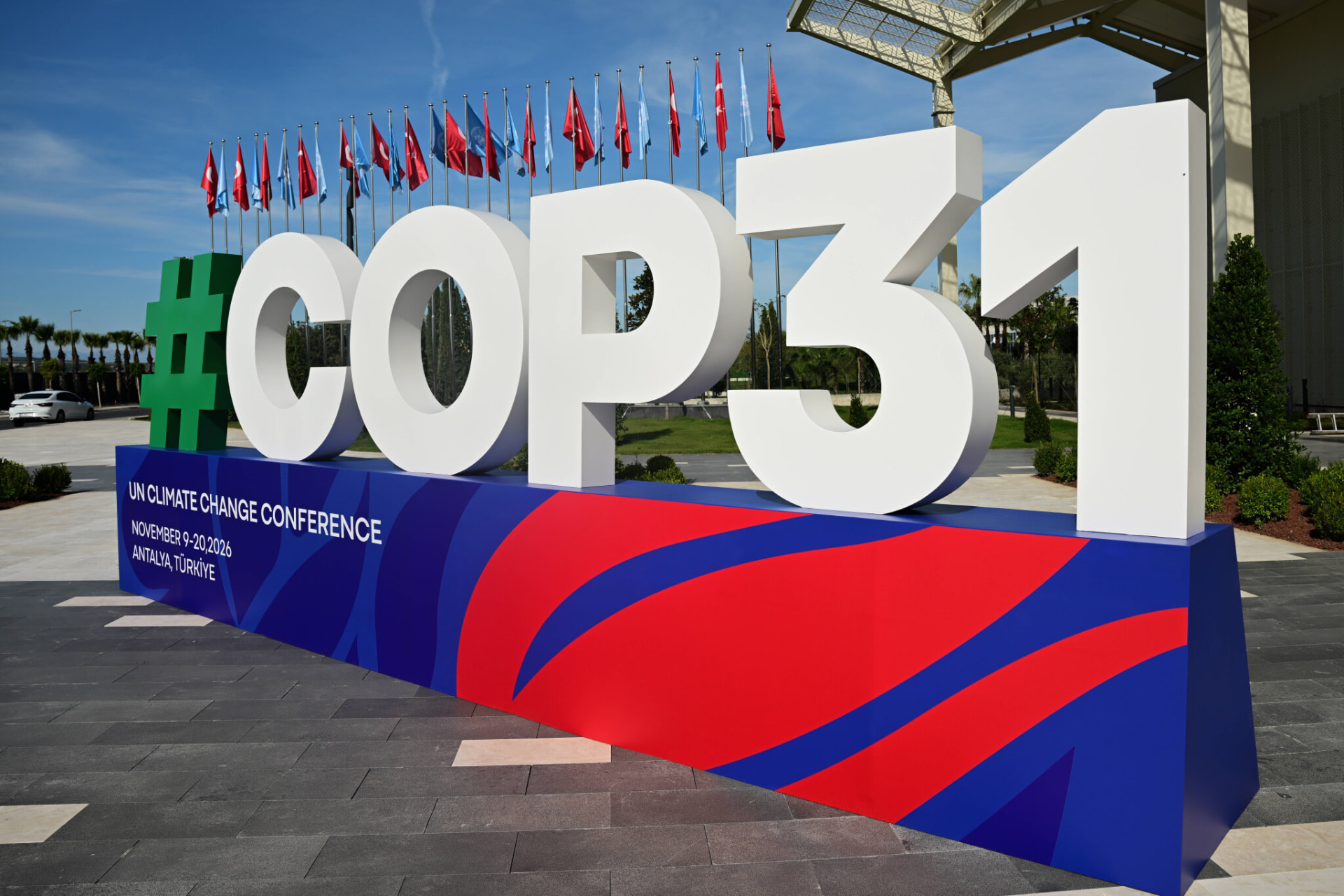
As world leaders gather in Antalya, Türkiye, the urgency of the climate crisis is colliding with the difficult realities of global politics, fossil fuel dependence, and the race toward a sustainable future.
The planet is sending increasingly urgent signals. Rising temperatures, devastating wildfires, melting glaciers, and extreme weather events are no longer distant predictions. They are realities unfolding across continents, affecting communities, ecosystems, and economies.
Against this backdrop, the 31st United Nations Climate Change Conference (COP31) is taking place in Antalya, Türkiye, from November 9 to 20, bringing nations together to confront one of the defining challenges of our time.
Yet, as the first week of negotiations draws to a close, a familiar question remains: Can the world move beyond climate commitments and agree on the actions needed to fulfil them?
A Warning the World Cannot Afford to Ignore
On November 13, United Nations Secretary-General António Guterres called for an "immediate and drastic reduction" in greenhouse gas emissions, warning that the window to limit global warming to 1.5°C is rapidly narrowing.
The warning follows a recent UN assessment indicating that the world is on course to exceed the 1.5°C threshold established under the Paris Agreement.
The consequences of a warming planet are already visible. Extreme heatwaves have affected parts of Europe, while a devastating glacier collapse in Nepal triggered deadly flooding earlier this year.
These events underline a difficult reality: climate change is not simply an environmental issue. It is increasingly a challenge to human safety, food security, economic stability, and the resilience of communities worldwide.
Fossil Fuels: The Debate at the Heart of COP31
One of the most contentious issues at COP31 is the future of fossil fuels.
Despite growing international recognition of the need to reduce emissions, countries remain divided over whether a new climate agreement should establish firm targets for transitioning away from oil, gas, and coal.
Major fossil fuel producers, including Saudi Arabia and Russia, have traditionally resisted commitments restricting fossil fuel use. Meanwhile, developing economies such as India have raised concerns about measures that could limit their development opportunities and energy choices.
The challenge facing negotiators is therefore not only environmental but also economic and political: How can the world accelerate the energy transition while ensuring that it remains fair, inclusive, and achievable for countries at different stages of development?
With Türkiye hosting the summit and Australia leading negotiations, finding common ground will be essential as discussions enter their decisive second week.
Electrification: A Promising Path, but Is It Enough?
Among the proposals gaining attention at COP31 is an initiative led by Türkiye to accelerate global electrification.
The approach aims to reduce dependence on fossil fuels by expanding the use of electricity in transportation, heating, and other sectors traditionally powered by coal, oil, or gas.
However, a significant question remains unanswered: where will that electricity come from?
Electrification can contribute substantially to emissions reductions, particularly when supported by renewable energy. But expanding electricity consumption without ensuring a transition toward cleaner energy sources risks limiting its environmental benefits.
The European Union has expressed support for electrification powered by clean energy, while discussions continue over how specific future commitments should be.
The debate highlights an important distinction: Changing how we consume energy matters, but transforming how we produce it is equally essential.
Climate Justice Must Be Part of the Conversation
Beyond the debate over emissions and energy, COP31 also raises fundamental questions about responsibility and fairness.
Countries that have contributed the least to historical greenhouse gas emissions are often among those most vulnerable to climate impacts.
For these nations, climate negotiations are not solely about future temperature targets. They are also about securing the financial resources, infrastructure, and support necessary to adapt to a changing environment.
African countries are pushing for greater adaptation finance, including a proposed target of at least $120 billion annually by 2035.
A meaningful global climate response must therefore address both sides of the crisis: reducing the emissions driving climate change and helping communities cope with impacts that can no longer be avoided.
From Negotiations to Meaningful Change
Despite the disagreements, there are reasons for cautious optimism.
Renewable energy technologies have advanced significantly, clean energy is becoming increasingly competitive, and the possibilities for building more sustainable economies continue to expand.
On November 14, UN climate chief Simon Stiell urged negotiators to accelerate their work and avoid delays as the summit approaches its final week. An initial draft agreement is expected in the coming days.
The outcome of COP31 remains uncertain. What is clear, however, is that the success of the conference will depend not merely on the strength of its declarations, but on whether those declarations translate into measurable progress.
International agreements can establish direction, but meaningful environmental change requires sustained commitment from governments, industries, institutions, and societies.
The Future Is Still Ours to Shape
COP31 is another reminder that the climate crisis is both a global responsibility and a shared challenge.
The decisions made today will influence the landscapes we inhabit, the natural resources we depend upon, and the environmental conditions inherited by future generations.
At VERDE, we believe that environmental awareness, scientific understanding, international cooperation, and collective action are essential foundations for a more sustainable future.
As negotiations continue in Antalya, the world will be watching not only what leaders promise, but what they are prepared to change.
Because the future of our planet will ultimately be shaped not by the commitments we announce, but by the actions we take.