
AccessPro concludes: accessible vocational training for the visually impaired
Two years of work for a more inclusive labour market
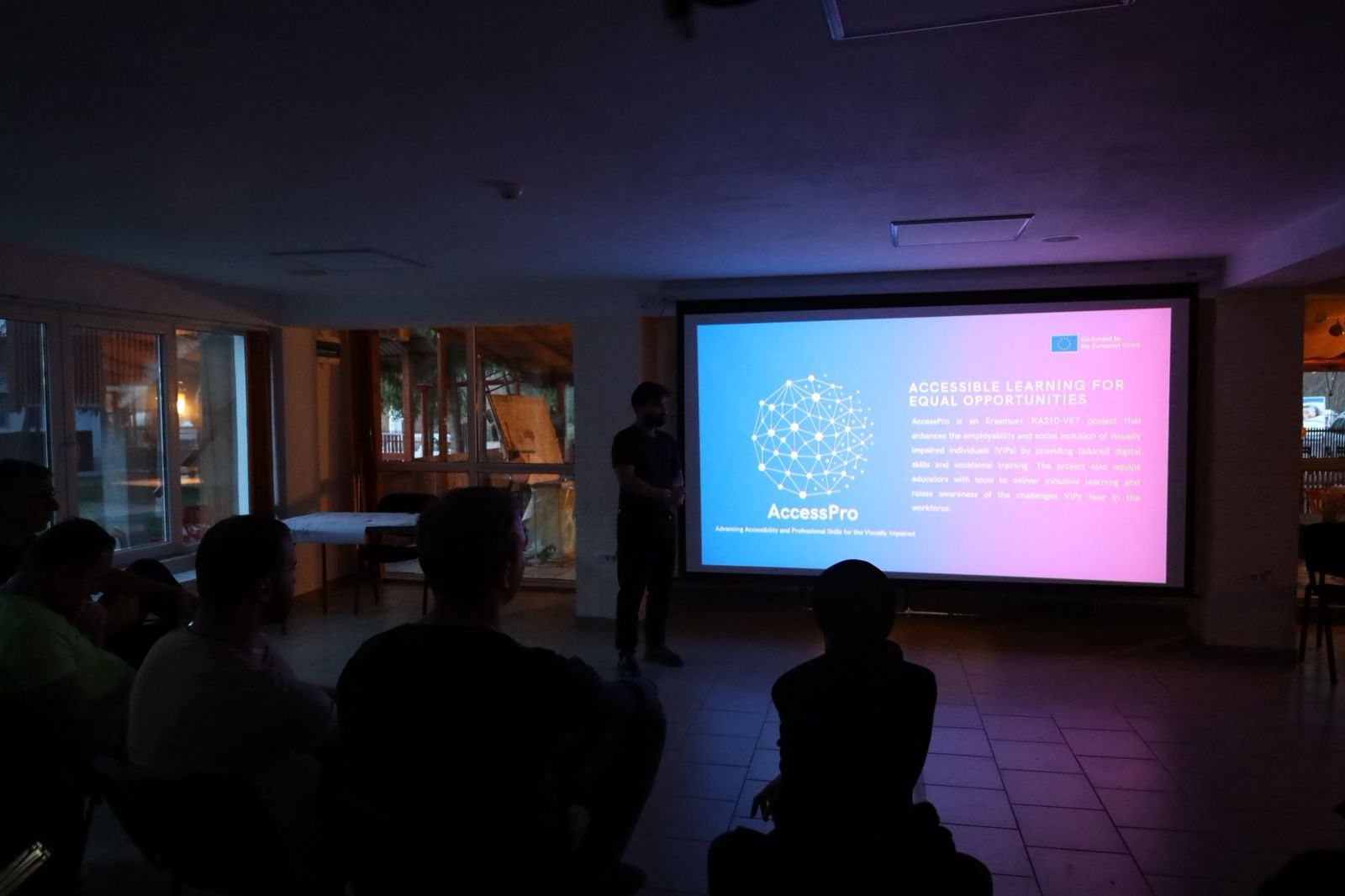
With unemployment among visually impaired people (VIPs) in Europe reaching as high as 75% according to the European Blind Union, the AccessPro project set out in 2025 with a clear mission: make vocational education and training (VET) genuinely accessible. As the project draws to a close, we look back at what the partnership - VERDE as coordinator, MindSpin (Cyprus), the Croatian Blind Union, and Atlas (France) - has achieved together.
The starting point was sobering. Visually impaired people are often excluded from the labour market not for lack of ability, but because vocational training materials, digital platforms, and workplaces were never designed with them in mind. The digital transformation accelerated by the pandemic widened this gap further: as more of working life moved online, learners without accessible digital tools were left even further behind. And the educators who wanted to help often lacked the methods and resources to do so.
What AccessPro delivered
- An accessible digital learning platform designed from the ground up for visually impaired learners, with a comprehensive toolbox of training materials adapted to their needs - built screen-reader-first, not retrofitted.
- Practical guidelines and methodologies for VET educators and trainers, turning willingness into capability with concrete inclusive teaching methods, workshop formats, and interactive tools.
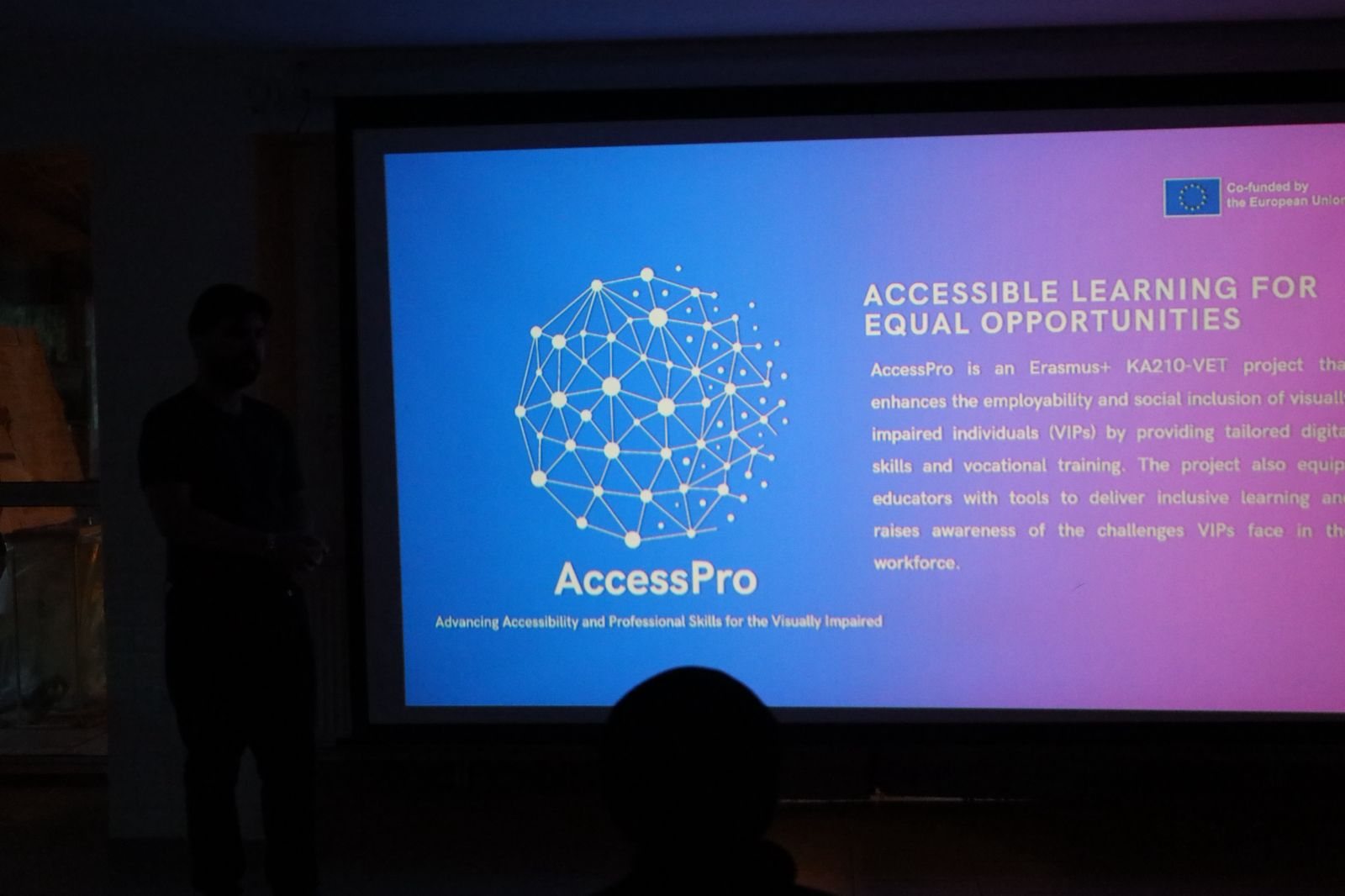
- Face-to-face training events and workshops across the partner countries, bringing together learners, trainers, and advocacy organisations.
- Advocacy actions directed at policymakers and employers, promoting equal opportunities and inclusive hiring practices across Europe.
What we learned
Accessibility cannot be an afterthought. Building the platform together with visually impaired users and their organisations - rather than for them - shaped every design decision, from navigation structure to how exercises are described. Working directly with the Croatian Blind Union meant real users tested real assumptions early, and many of them did not survive first contact: features that looked helpful on paper turned out to be obstacles with a screen reader.
The second lesson concerns educators. Most trainers we met were not reluctant - they were under-equipped. What they lacked was not motivation but concrete methods: how to describe visual content, how to structure accessible documents, how to run a mixed-ability classroom. That is precisely the gap the AccessPro educator guidelines fill, and it is why we believe they will outlive the project.
The project directly reached visually impaired learners, trainers, and a wider network of policymakers and employers, and all resources remain openly available. AccessPro was co-funded by the Erasmus+ programme of the European Union.